Offer It Up!
As I write this column, the rain has been pouring down for several hours, at times in torrents with strong winds. It’s enough to make a body want to go back to bed, pull the covers over one’s head and wait to start all over another time. But even as I have these thoughts, I hear the voice of my mother whisper in my subconscious’ ear: “Offer it up!”
I don’t know if it was true for other faith traditions, but in many a Catholic household, “offer it up” was a standard reply to almost any whining complaint. The underlying message being that when we were dealing with a struggle or a challenge, we could offer our minor sufferings to God, perhaps in exchange for a blessing. Then and even now, I didn’t really appreciate the response. I wanted to be able to vent and moan and groan and complain. From a pastoral perspective, I think there can be value in expressing the full range of our feelings, recognizing that no emotion is “wrong” as long as the emotion is expressed and processed in a helpful and constructive way.
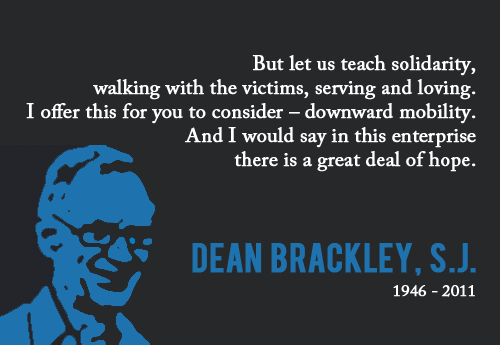
As an older adult I have come to appreciate my mother’s wisdom in a slightly different way. Instead of “offering it up” when I am faced with a difficulty, I try to see it as a possible avenue to solidarity – an opportunity to have even a tiny glimpse of what others might be going through in similar though much more extreme situations. When I hate the bad weather, I can think about what the folks in Arkansas and other states are dealing with in the aftermath of a tornado. I may be more likely to participate in relief efforts because I’ve thought about what they’re going through.
I don’t get sick often, but when I am feeling under the weather I’m reminded of what people endure who have chronic pain or terminal illness. In doing so I may be prompted to write a note to someone who is sick, fix a meal, or contribute to an organization committed to eradicating a particular disease.
When I am down in the dumps or feeling in a foul mood, I recognize that others wake up every day to the full weight of clinical depression and for whom simply getting up in the morning is a mammoth undertaking. Recognizing even a moment of their struggle may motivate me to participate in the upcoming “Pete Warren Walk for Mental Health and Suicide Prevention.”
To be in solidarity does not mean we ignore our own aches and pains, sorrows or struggles or dismiss the real and legitimate challenges in our own lives. To be in solidarity does mean that by recognizing our connection in times of suffering, we may be more likely to reach out to others in care and support in their own time of need.
Peace, Anne
